
Winter Driving in Canada 2026: When to Switch to Winter Tires (7-for-7 Rule) & Best Tires to Buy in Toronto
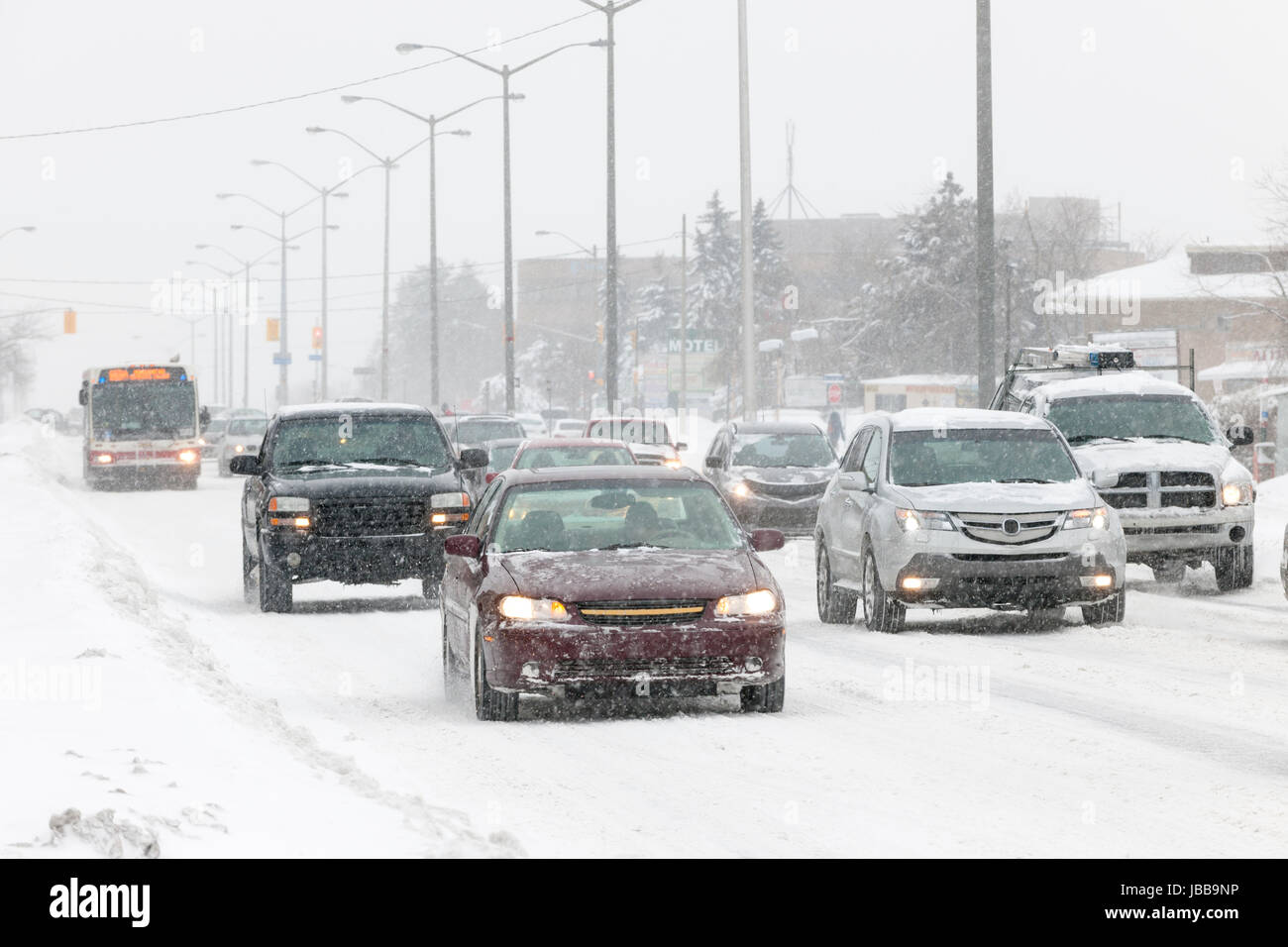
Toronto and GTA drivers face ice, slush, and -20 °C nights. Dedicated winter tires (3PMSF rated) stay soft below 7 °C and deliver real grip. Follow the 7-for-7 rule and see the 2026 top picks with current Canadian pricing.
When to install winter tires in Ontario: The 7-for-7 rule
Switch when daytime highs stay at or below 7 °C for seven straight days. Remove in spring when temperatures consistently rise above 7 °C. This is still the official guideline used by Transport Canada and Ontario garages in 2026.
What makes a real winter tire?
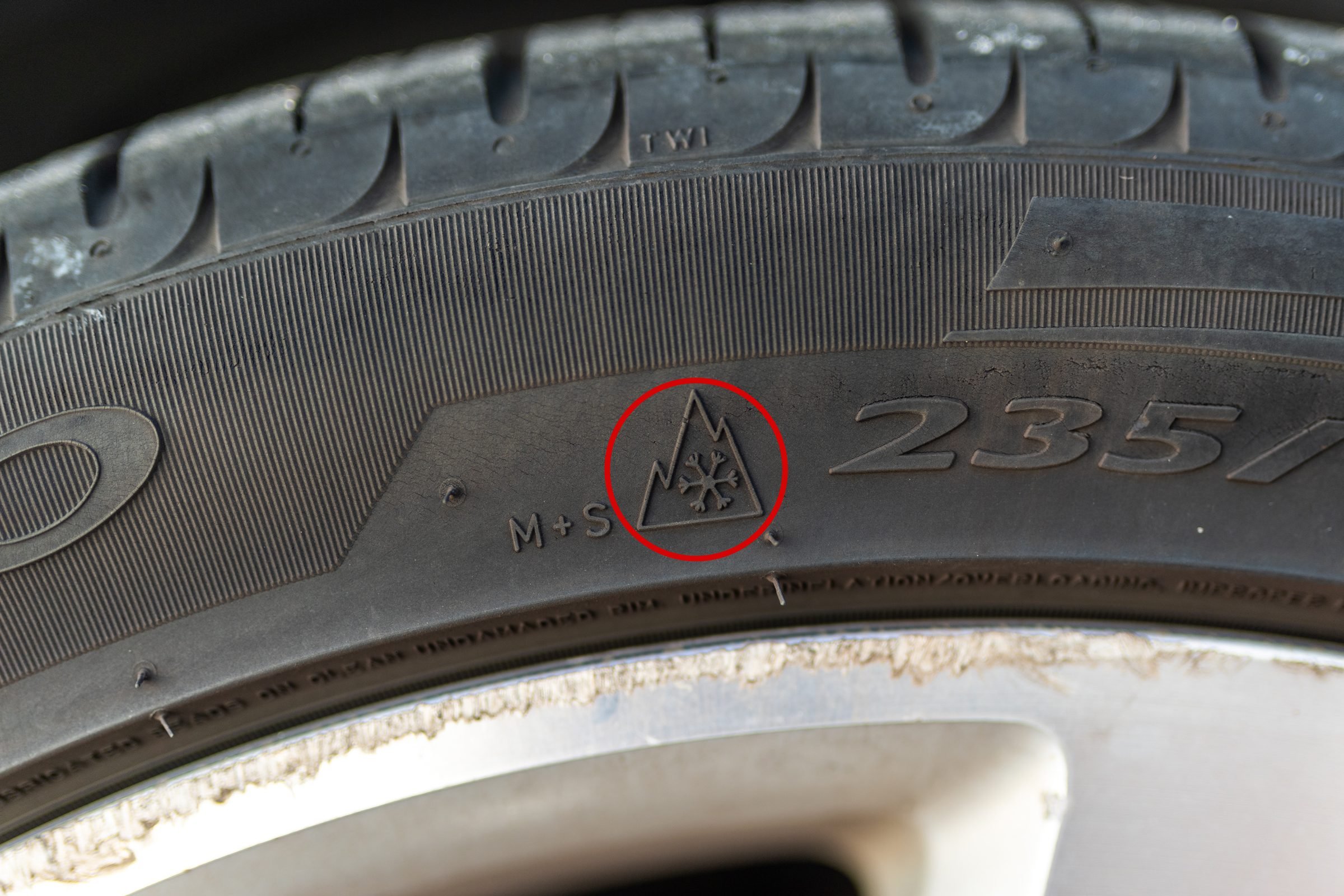
- 3PMSF symbol – mandatory for severe snow service (not just M+S).
- Four matching tires only – never mix with all-seasons.
- Rotate every 8,000–10,000 km.
2026 Winter Tire Comparison – Toronto Prices & Grades
| Model | Best for Toronto/GTA | Grade | Set-of-4 Price (CAD) |
|---|---|---|---|
| Michelin X-Ice Snow 3PMSF | Quiet, ice braking, city/highway | A | $1,036–$1,200 |
| Bridgestone Blizzak WS90 / Blizzak 6 3PMSF | Deep snow & ice grip | A+ | $980–$1,150 |
| Continental VikingContact 8 3PMSF | Slush & wet stability | A | $920–$1,080 |
| Nokian Hakkapeliitta R5 3PMSF | Extreme cold & ice | A | $1,000–$1,200 |
| Toyo Observe GSi-6 3PMSF | Best value | A- | $720–$880 |
Which set should you buy in Toronto?
Daily commuter
Michelin X-Ice Snow or Continental VikingContact 8.
Heavy snow / cottage roads
Bridgestone Blizzak or Nokian R5.
Budget safety
Toyo Observe GSi-6.
Quick Answers for Ontario Drivers
Is a full set required?
Yes – mixing tires is dangerous.
Studs?
Only where legal and on bare ice; most Toronto drivers choose studless 3PMSF.
Book your winter tire change now
Don’t wait for the first snow. Call your shop today. While you’re getting new tires, book a winter driving lesson with Young Star Driving School – we teach real GTA snow and ice techniques.
Winter Tires in Canada: 7-for-7 Rule & Buying Guide
Simple steps for safe winter driving and smart tire choices in Toronto & GTA.

Winter tires in Canada are essential for confident driving on icy, wet, or snowy roads. Follow the 7-for-7 rule, choose certified tires, and stay safer.
Need in-car winter training? Visit our G2 Test Training or MTO-Approved Certification Packages.
When to Switch to Winter Tires in Canada (The 7-for-7 Rule)
Install when daytime highs stay below 7 °C for seven consecutive days. Swap back in spring when temperatures consistently exceed 7 °C. This rule keeps the winter compound flexible for grip.
Official sources: Transport Canada and CAA Canada.
How to Choose the Best Winter Tires in Canada
- Look for the 3-Peak Mountain Snowflake (3PMSF) symbol – certified for severe snow traction.
- Install a complete set of four – mixing causes imbalance and danger.
- Rotate every 8,000–10,000 km or per vehicle manual.
- Replace at 4–5 mm (~5/32 in) tread depth for safe performance.
Popular options: Michelin X-Ice Snow, Bridgestone Blizzak WS90, Continental VikingContact 7, Nokian Hakkapeliitta R5, Goodyear Ultra Grip Performance, General AltiMax Arctic 12 – all 3PMSF-rated for Canadian conditions.
Final Thoughts on Winter Tires in Canada
The 7-for-7 rule + four matching certified tires = real safety. For tire advice or winter road test prep, contact Young Star Driving School Toronto & Thornhill.